
The evolution of workplace experience and design: 4 trends shaping the future of office spaces in 2024
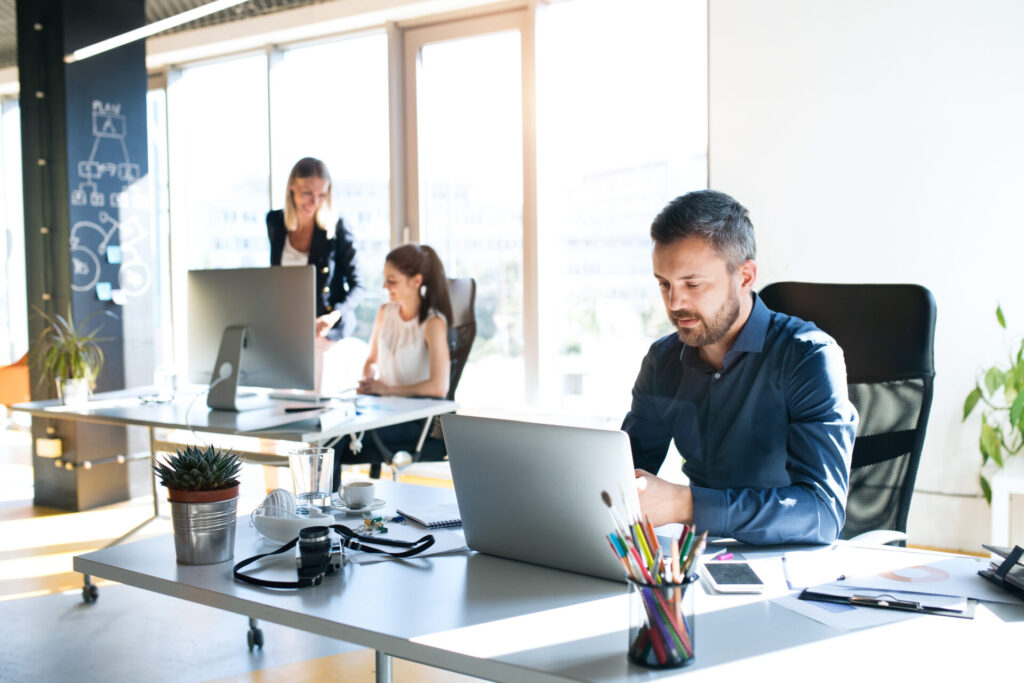
As workplace standards evolve, office design must adapt to new expectations around hybrid work and sustainability. JLL’s recent U.S. and Canada Design Trends and Cost Guide highlights key shifts shaping the future of office spaces.
Workplace experience trend 1: Human-led design
Workspaces are being reimagined to support both collaborative and focused work. The emphasis is on creating environments that enhance the human experience through thoughtful integration of technology and responsive physical spaces. This approach aims to improve employee satisfaction and productivity by balancing the diverse needs of a hybrid workforce.
Workplace experience trend 2: Sustainable spaces
With increasing commitments to net zero targets, sustainable office design has become a priority. This involves using low-carbon materials and embracing circular economy principles to reduce waste and maximize resource efficiency. Despite higher initial costs, these eco-friendly practices offer long-term benefits and align with rising expectations for environmental responsibility.
Workplace experience trend 3: Complex cost considerations
Hybrid work environments necessitate advanced technology and multifunctional spaces, leading to more complex cost structures. Investments in virtual meeting technology and adaptable office layouts are essential to support both in-person and remote collaboration. While these upgrades involve significant capital expenditure, they are crucial for fostering a productive and engaged workforce.
Workplace experience trend 4: Stabilizing costs
After years of steep increases, fit-out costs have stabilized, with only a 2.7% year-over-year rise for moderate build-outs. This stability reflects efforts to manage material prices and contractor backlogs, providing a more predictable financial landscape for office design investments.
These trends underscore the importance of aligning office design with modern work practices and sustainability goals. By prioritizing human-centric and eco-friendly principles, businesses can create work environments that not only meet current demands but also drive long-term success. Investing in these transformative office designs will ultimately support employee wellbeing, enhance performance, and fulfill corporate sustainability commitments.
Use data to optimize your spaces for enhanced workplace experiences
Learn more about how to use R-Zero’s building intelligence solutions to boost workplace experience and create energy-saving opportunities tailored to your spaces via our Building Intelligence Index.